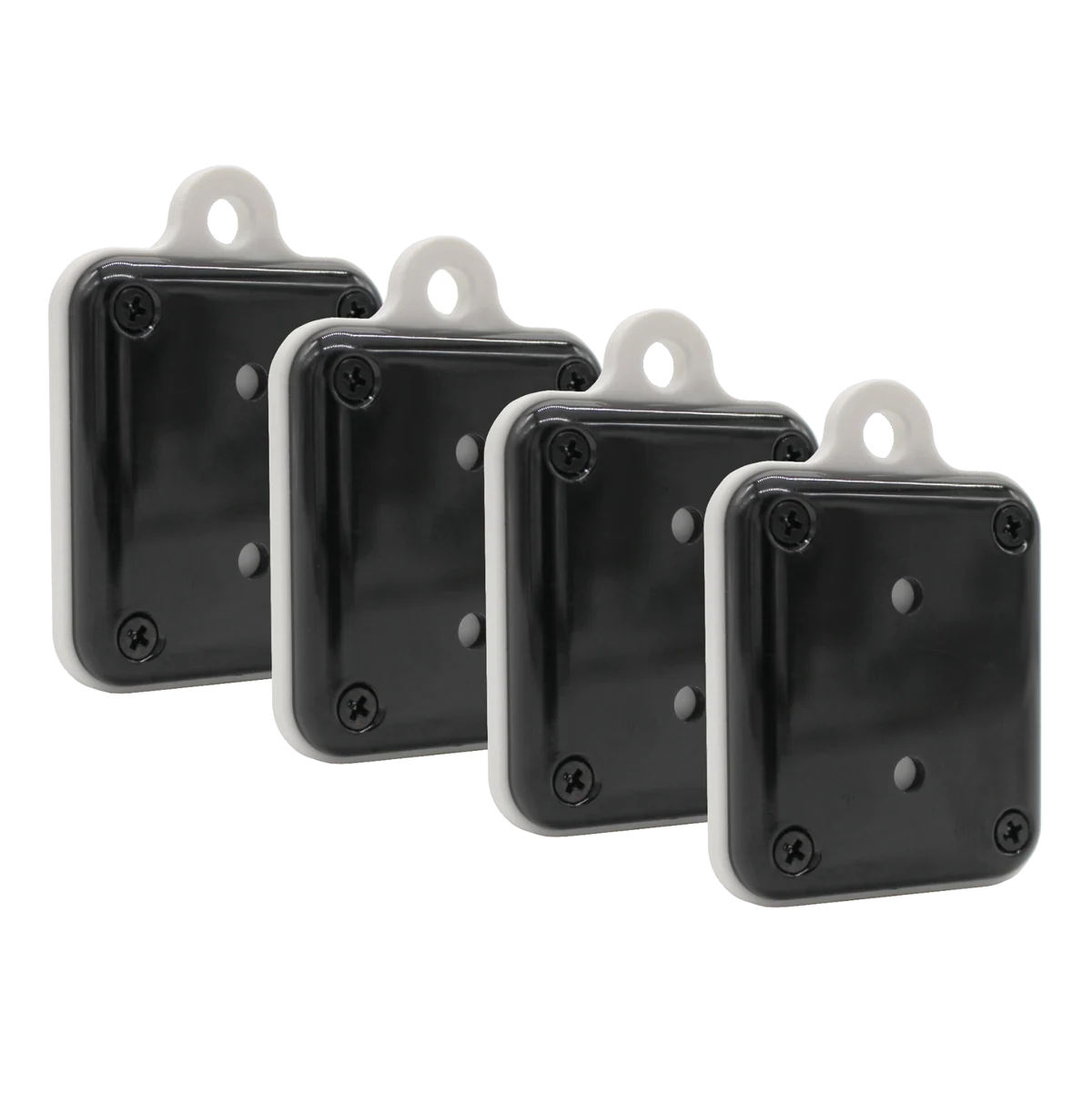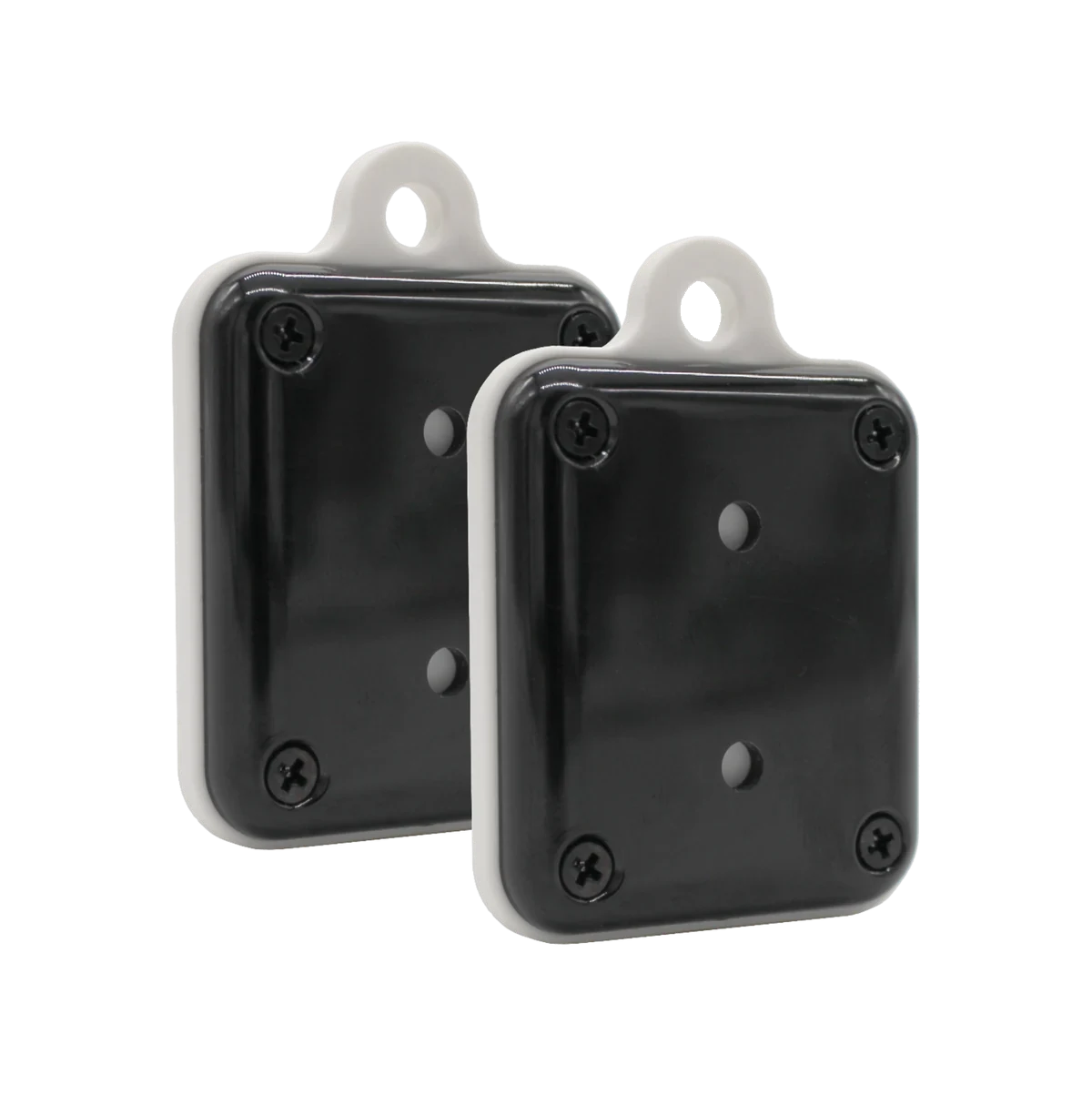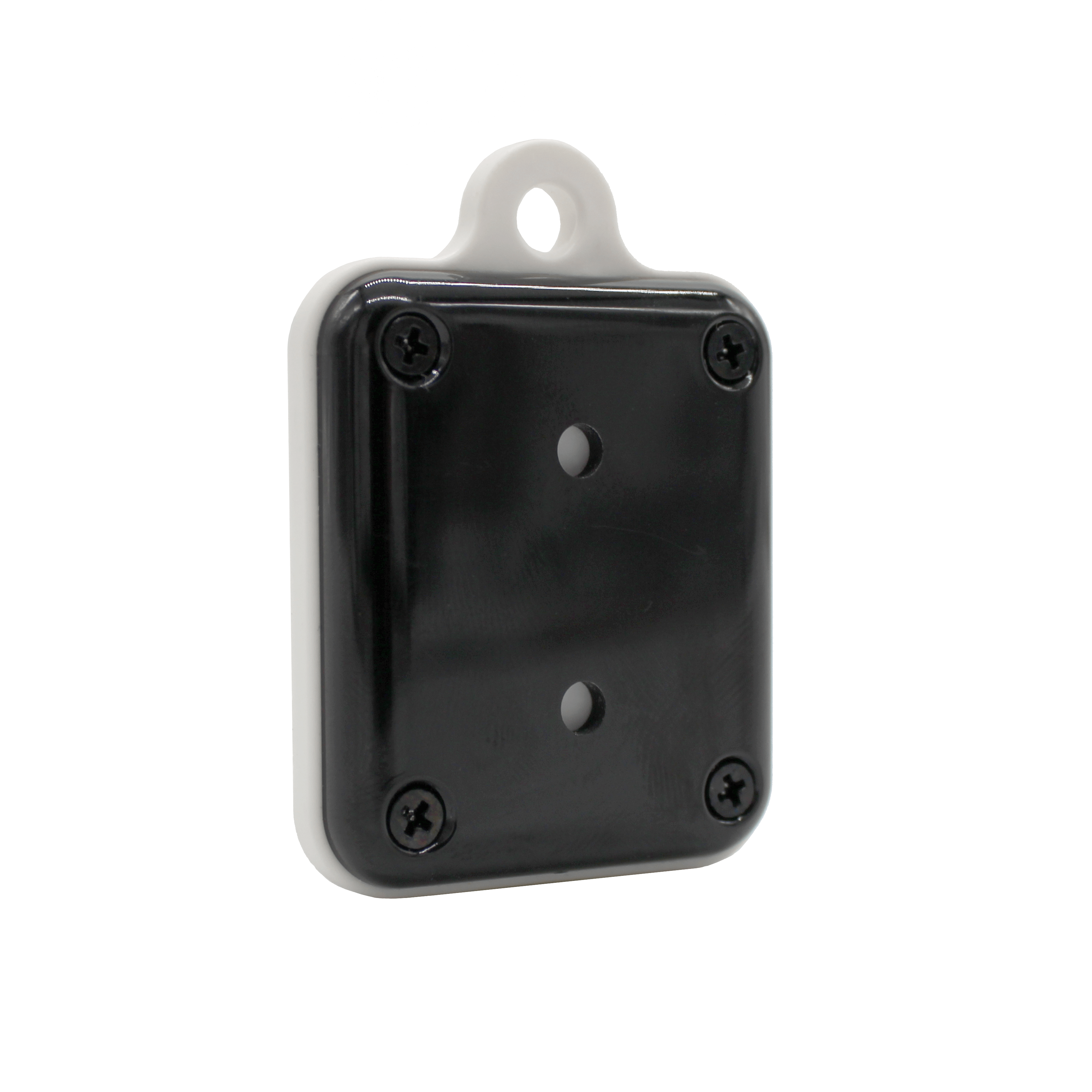
Tempest™ 200
$70.00
Temperature and humidity on one pallet tag. The default for ammunition and packaged rations.

Military & defense logistics
Rations and ammunition age faster in heat and humidity, and the depots, containers and forward sites they pass through rarely have connectivity. A Tempest on each pallet keeps a temperature and humidity exposure record on the device, from depot to the last mile, and anyone with a phone can read it.
Shelf life for operational rations is rated against storage temperature and drops sharply in sustained heat. Propellants and energetics are sensitive to heat and humidity cycling. A pallet that sat on a hot ramp for a week looks exactly like one that didn't, and without a record nobody can say which is which.
Cellular and satellite loggers need coverage, gateways and subscriptions, and they broadcast on their own schedule. Exposensia sensors never broadcast. They log to on-device memory and answer only when a phone is held against them, so there is nothing to install, nothing to pay for monthly and no data leaving the unit until someone reads it.
Minimum, maximum and the full time history at intervals from 2 minutes to 12 hours, plus time spent in each temperature and humidity band, kept for the life of the deployment. Tap at receipt, at each hand-off or at inspection, and export a timestamped CSV or PDF tied to the sensor's serial number.
Tag ration and food pallets at the depot. When they arrive at a forward site, the receiving team taps the sensor and sees whether the load spent days above its storage range, before deciding what to issue first and what to inspect.
Tempest 200 records temperature and humidity together, so a storage or surveillance team can see the exposure history behind a lot: how long it sat hot, how humid the container got, how often conditions cycled. The record supports inspection decisions; it does not replace them.
Sensors run more than ten years on a coin cell and keep a cumulative exposure summary even after the detailed log wraps around. Leave one in a container or a storage bay and read the whole story at the next inventory.
Your cursor is heat from a sun-baked ramp, or switch it to cold. The dashed lines are the app's Dry Goods preset (50–77 °F, 40–65 %RH). Push a pallet out of range, then tap Scan tags and read it on the phone, just as you would with the app.
Humidity matters for both rations and ammunition, so start with Tempest 200. For larger programs, ask us about volume pricing.
$70.00
Temperature and humidity on one pallet tag. The default for ammunition and packaged rations.
$60.00
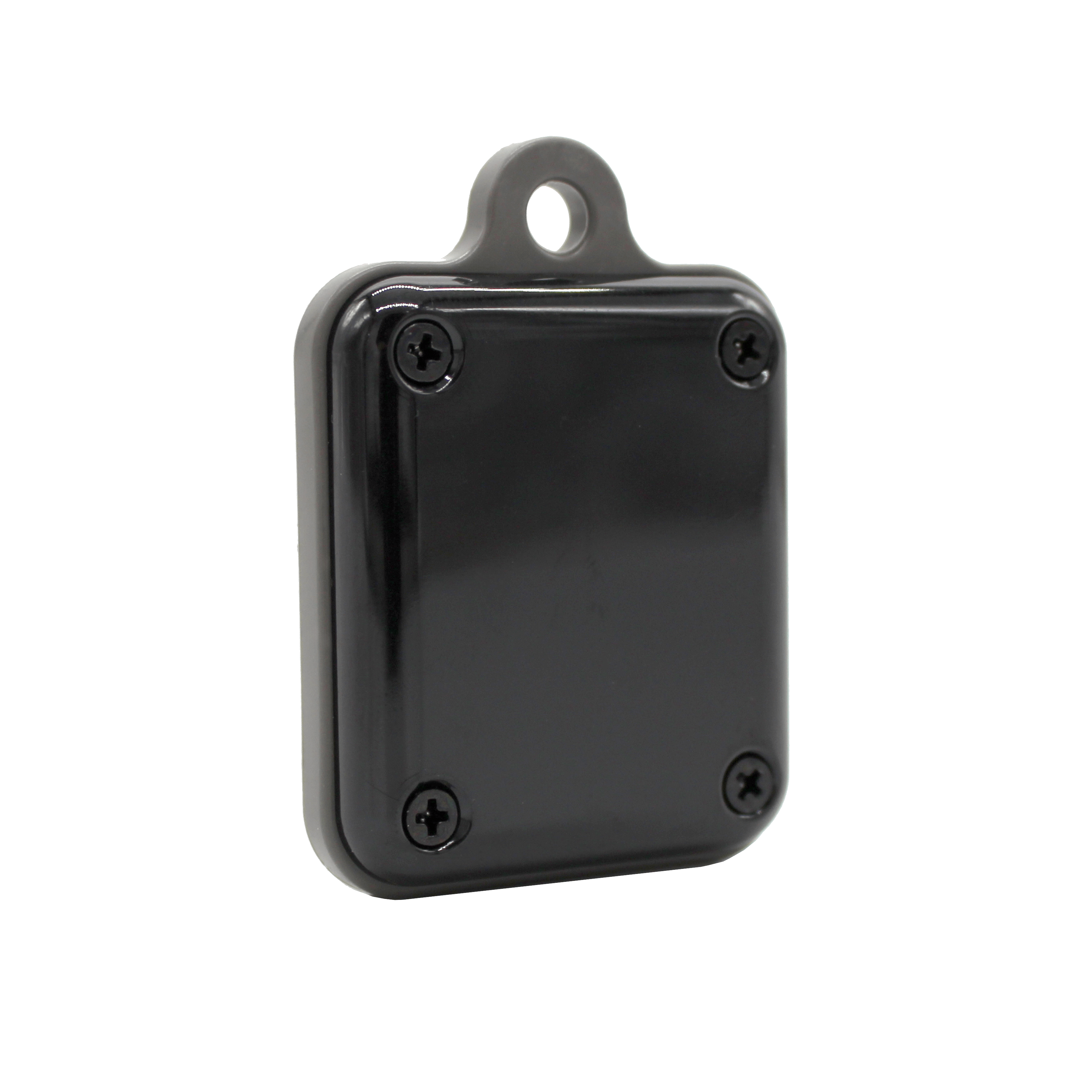
Temperature only, with mean kinetic temperature. For chilled and frozen subsistence.
No network, no subscription, nothing to install. Tap-to-read with any modern phone.
Shop sensors Talk to usthis item would be added to your cart once the Shopify integration is wired up. This is a static rebuild — checkout is intentionally stubbed.