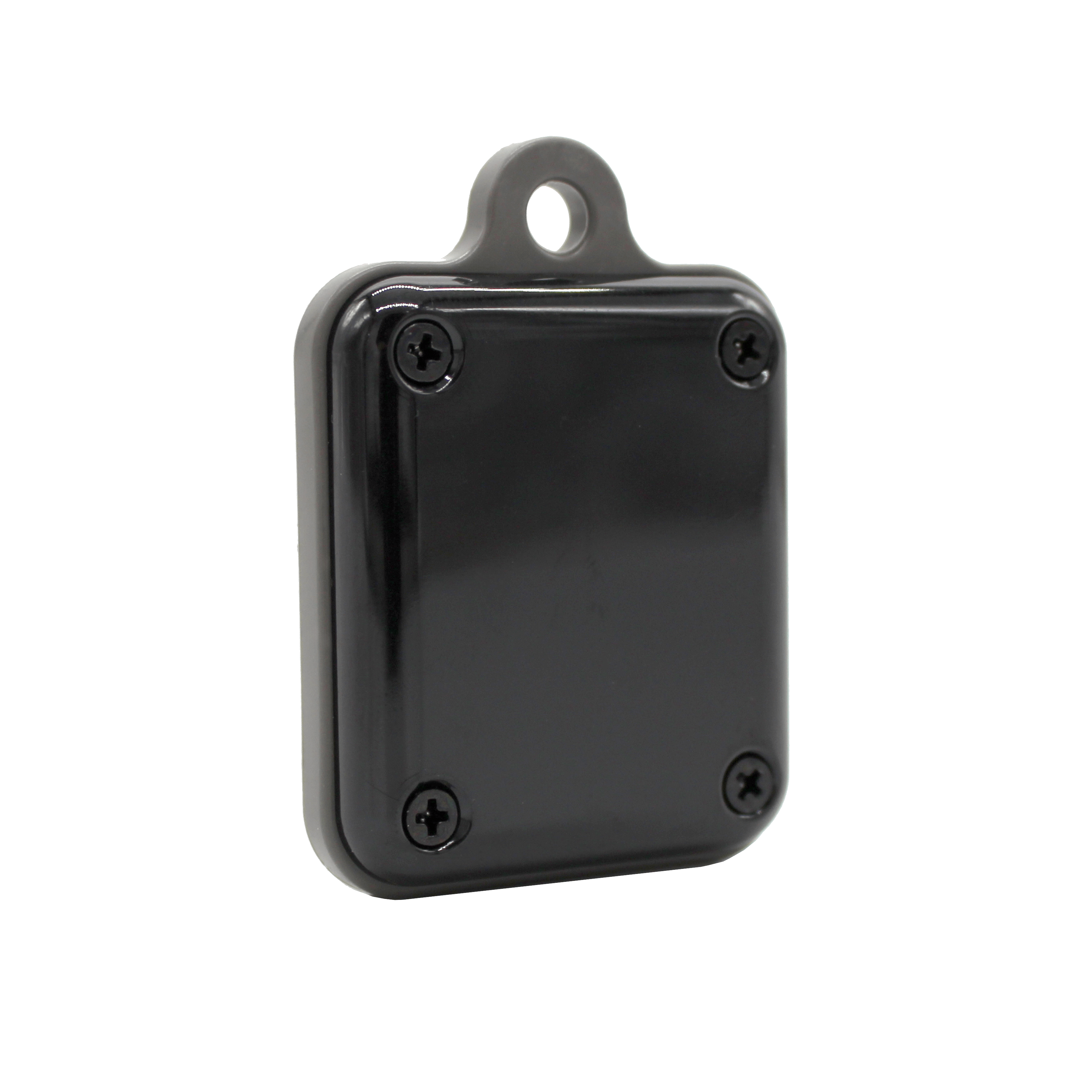
Tempest™ 100
$60.00
Temperature-only logger with MKT. The single-fridge baseline for any vaccine program.

Cold-chain medical
CDC VFC program requirements, 21 CFR 211.68, USP <1079>, and most manufacturer return policies all require continuous monitoring with MKT documentation. Exposensia delivers that record on-device — no subscriptions, no third-party data handlers, no chain-of-custody gaps.
A nightly power outage. A door propped open while inventory was unloaded. A failing compressor that no one noticed for three days. Any one of these can void thousands of dollars of vaccine — or worse, an entire patient panel's worth of doses without anyone knowing it happened.
CDC's Vaccines for Children program, 21 CFR 211.68, and most manufacturer return policies require continuous monitoring — not spot checks. A twice-daily clipboard reading misses the 2 AM excursion and cannot produce the MKT calculation an excursion response requires. "We checked at 8 AM and it looked fine" is not an acceptable answer to a pharmacy board inspector.
Continuous tamper-evident logging at configurable intervals. Full time history, min/max, and pharma-grade Mean Kinetic Temperature — all calculated on-device per ICH Q1A methodology. NFC tap-to-read exports a timestamped CSV with device serial number: exactly what an audit form requires. No app accounts, no cloud data handlers, no third party in the chain of custody.
These are the standards auditors and inspectors cite most often for temperature-controlled pharmaceutical storage and cold-chain transport. Exposensia's on-device record supports the documentation each one asks for.
The CDC toolkit asks for a calibrated digital data logger in every storage unit (buffered probe, out-of-range alarm, min/max display, readings at least every 30 minutes) plus at least one backup device. Tempest 100 is that backup: an independent, tamper-evident record with configurable intervals and full min/max history, kept alongside your primary logger.
FDA's drug GMPs require documented storage condition monitoring. USP <1079> (Good Storage and Distribution Practices for Drug Products) specifies MKT as the accepted methodology for evaluating temperature exposure across a distribution event. Exposensia calculates MKT on-device per ICH Q1A activation energy.
WHO's cold-chain guidelines for vaccine and biologic products require continuous temperature logging with a tamper-evident audit trail. The on-device log, non-modifiable without physical access, provides the tamper-evident record without requiring a cloud validation process.
You arrive in the morning and tap the sensor. Three minutes later you have a CSV showing exactly when the fridge crossed 8 °C, how long it stayed there, and whether the contents are still on-label. No guessing. No insurance dispute.
The inspector asks for the last 90 days of fridge temperature data. You tap, export, attach. The record includes timestamps, min/max, MKT, and the device serial number — everything the form requires.
A Tempest 100 in each unit. When one drifts, you know which one — and the backup unit's record proves the inventory was safely moved before the excursion crossed the spec window.
Your cursor is warm air from an open door. The dashed lines are the 2–8 °C limits the CDC sets for vaccine storage. Let a reading drift out of range, then tap Scan tags and read it on the phone, just as you would with the app.
Start with what fits your operation. Scale up when the audit gets serious.
$60.00
Temperature-only logger with MKT. The single-fridge baseline for any vaccine program.
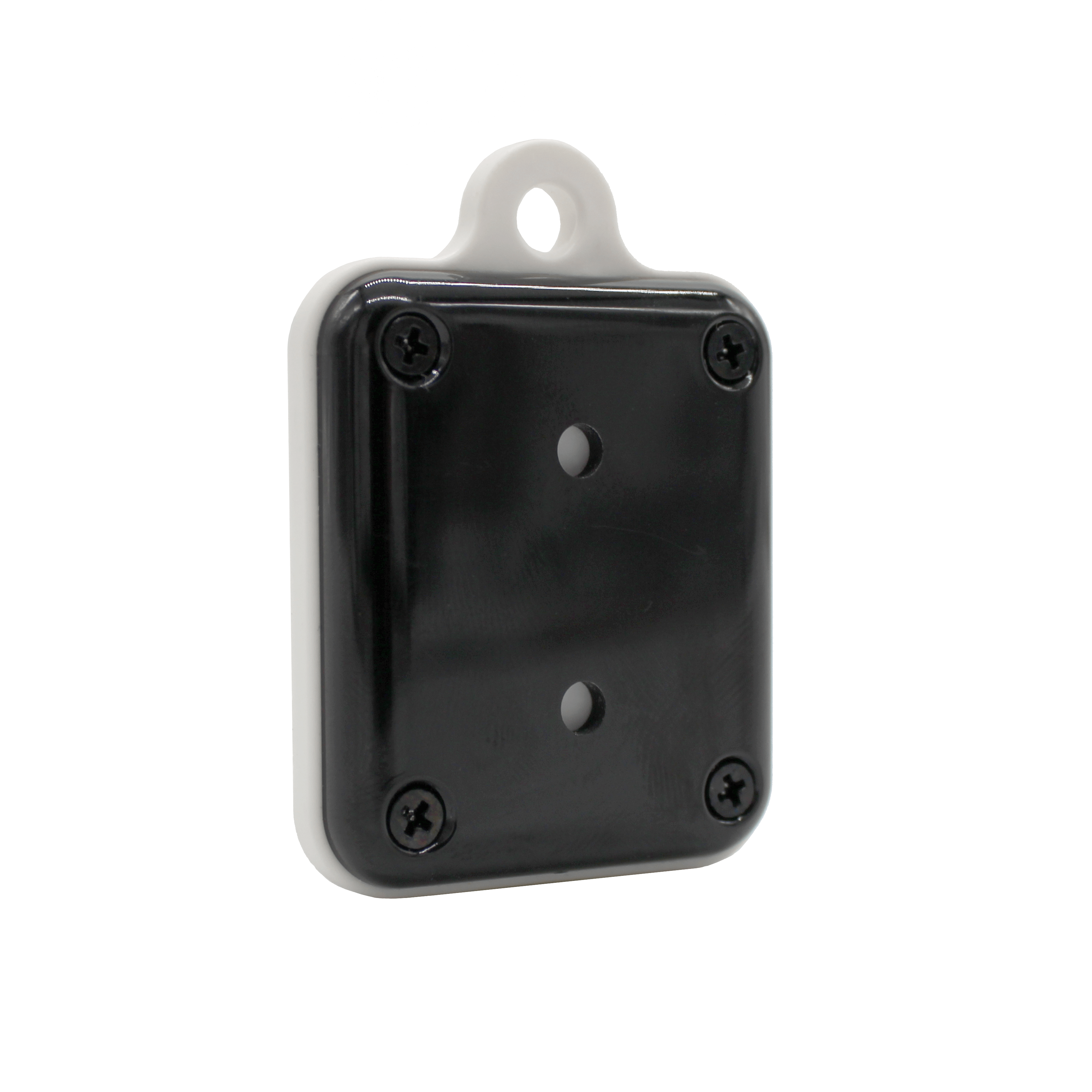
$70.00
Adds humidity, dew point, and heat index. The right choice for compounding rooms and biologic refrigeration.
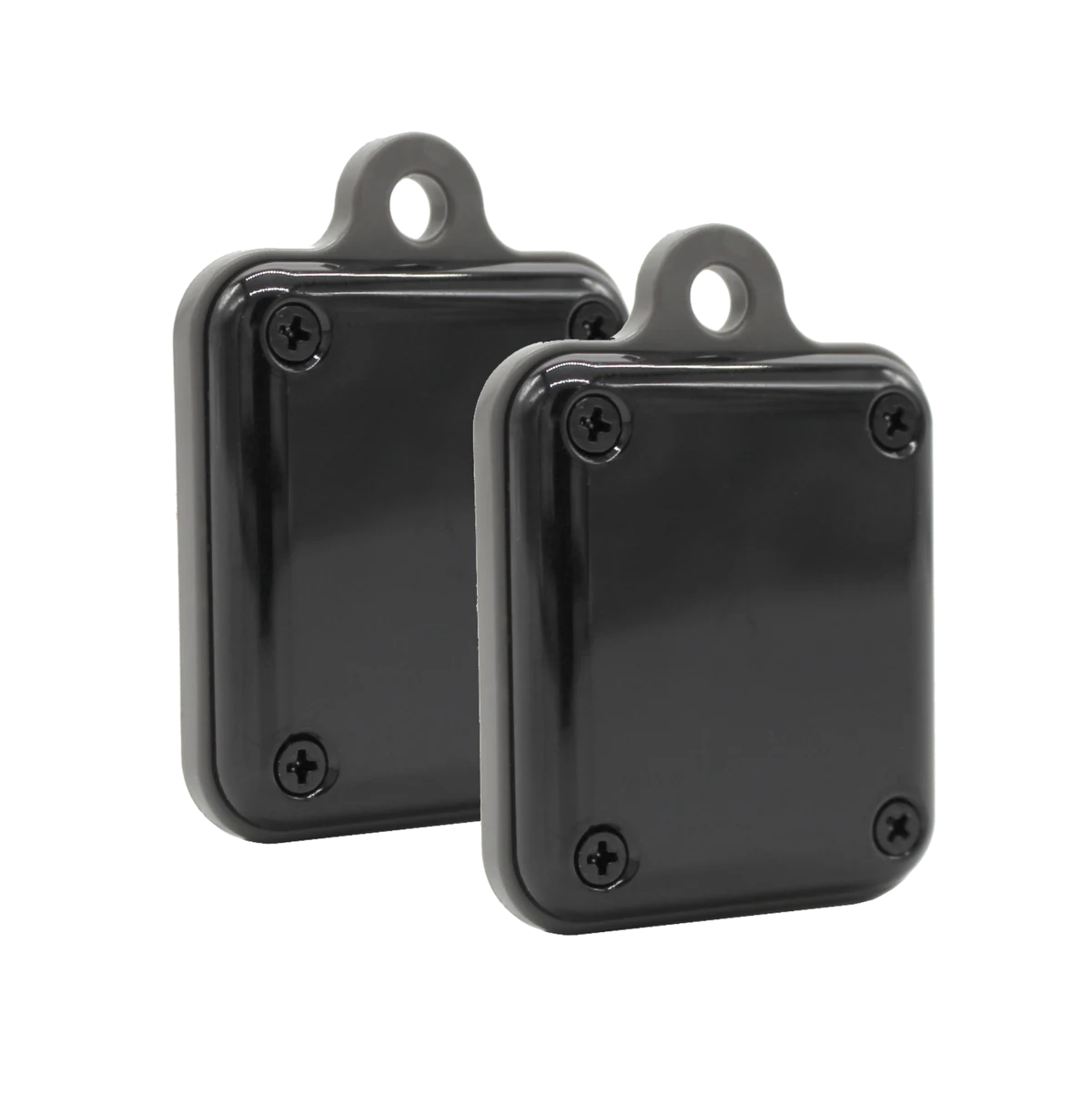
Primary + backup fridge. The two-sensor baseline for redundant cold-chain.
$115.00
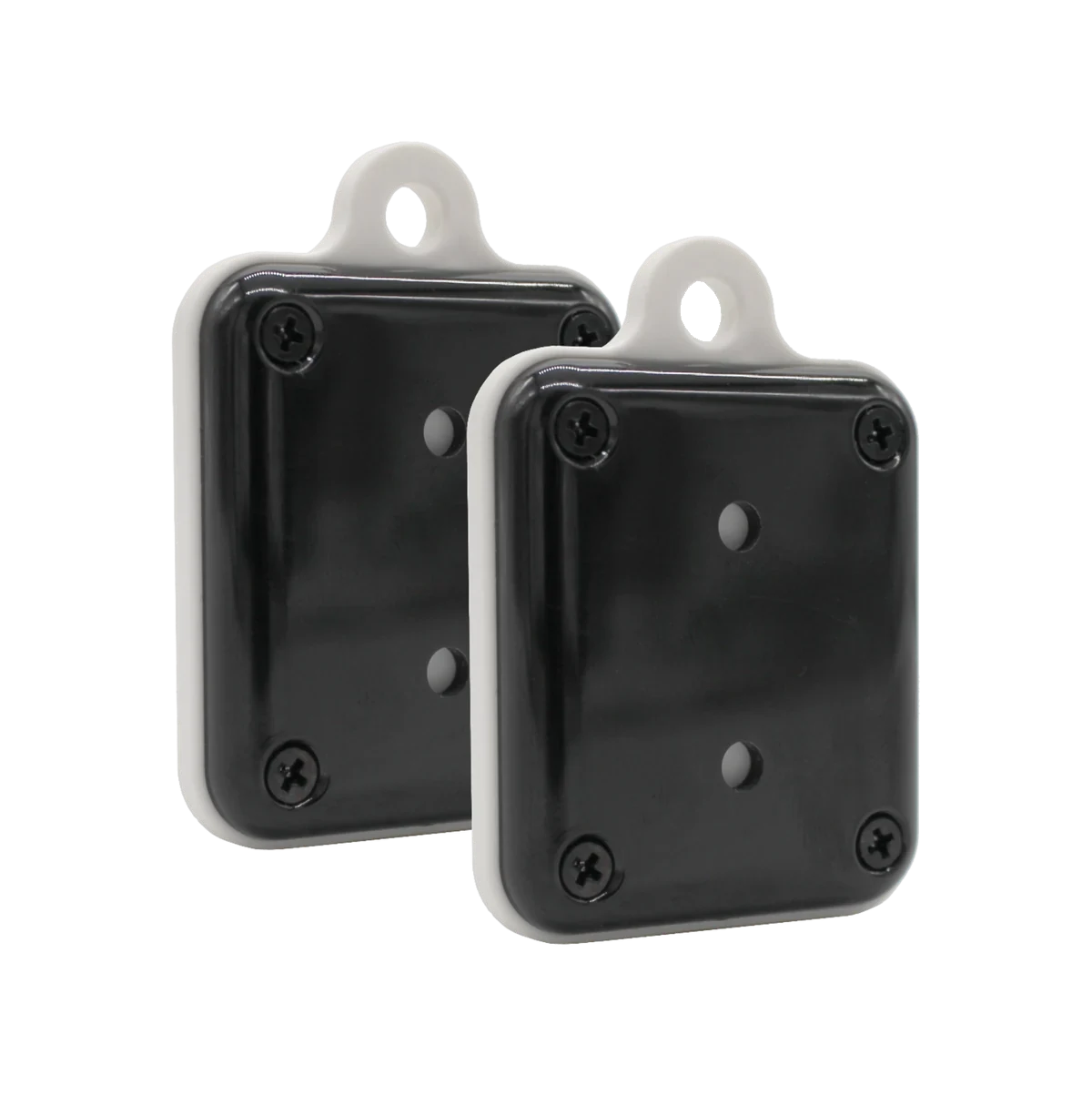
Two-zone temperature + humidity for cleanroom and compounding monitoring.
$135.00
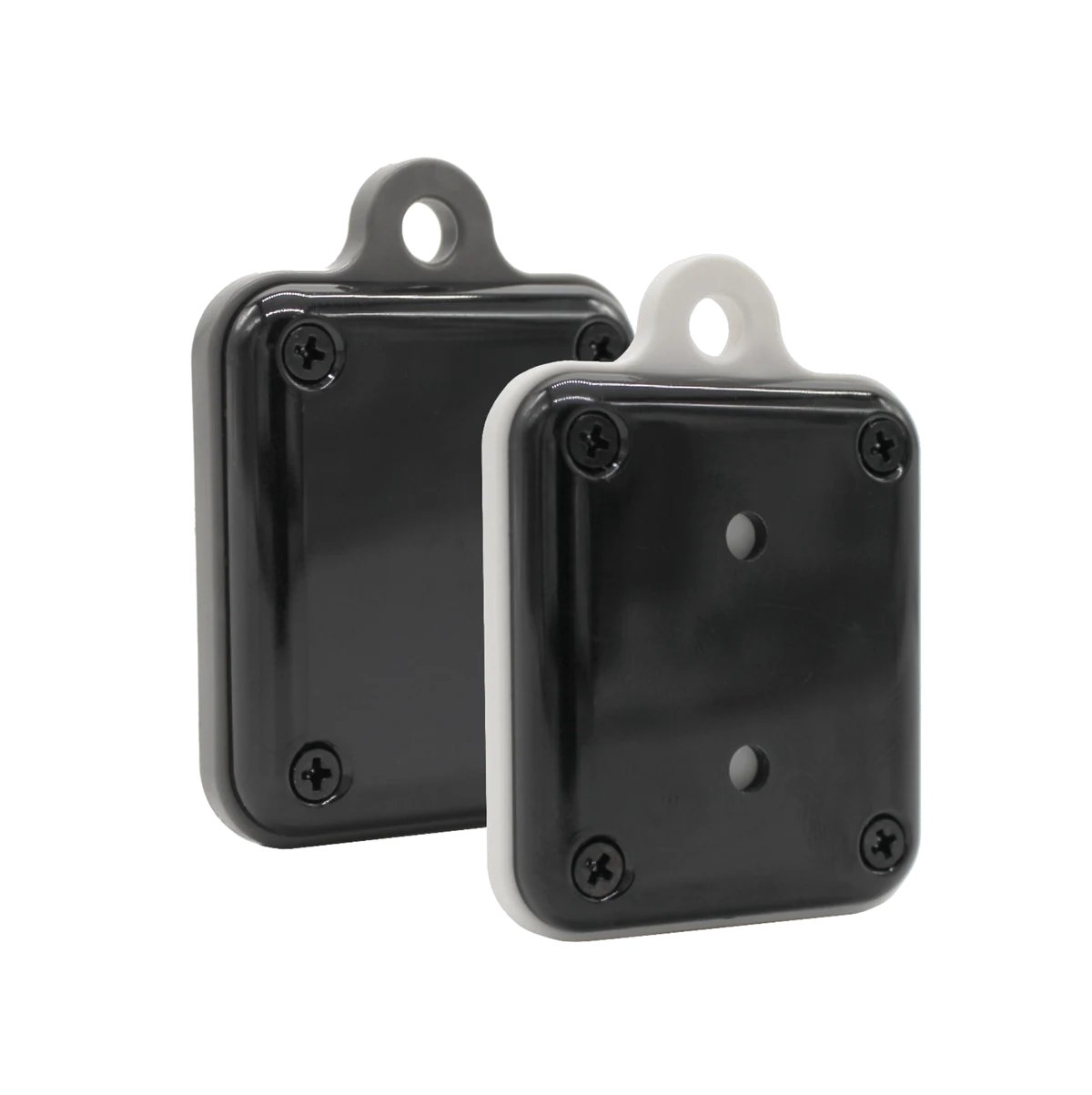
Validate humidity-aware logging vs. temperature-only before you standardize.
$125.00
No subscriptions. No app accounts. Tap-to-read with the phone that's already in your pocket.
Shop sensors Talk to usthis item would be added to your cart once the Shopify integration is wired up. This is a static rebuild — checkout is intentionally stubbed.