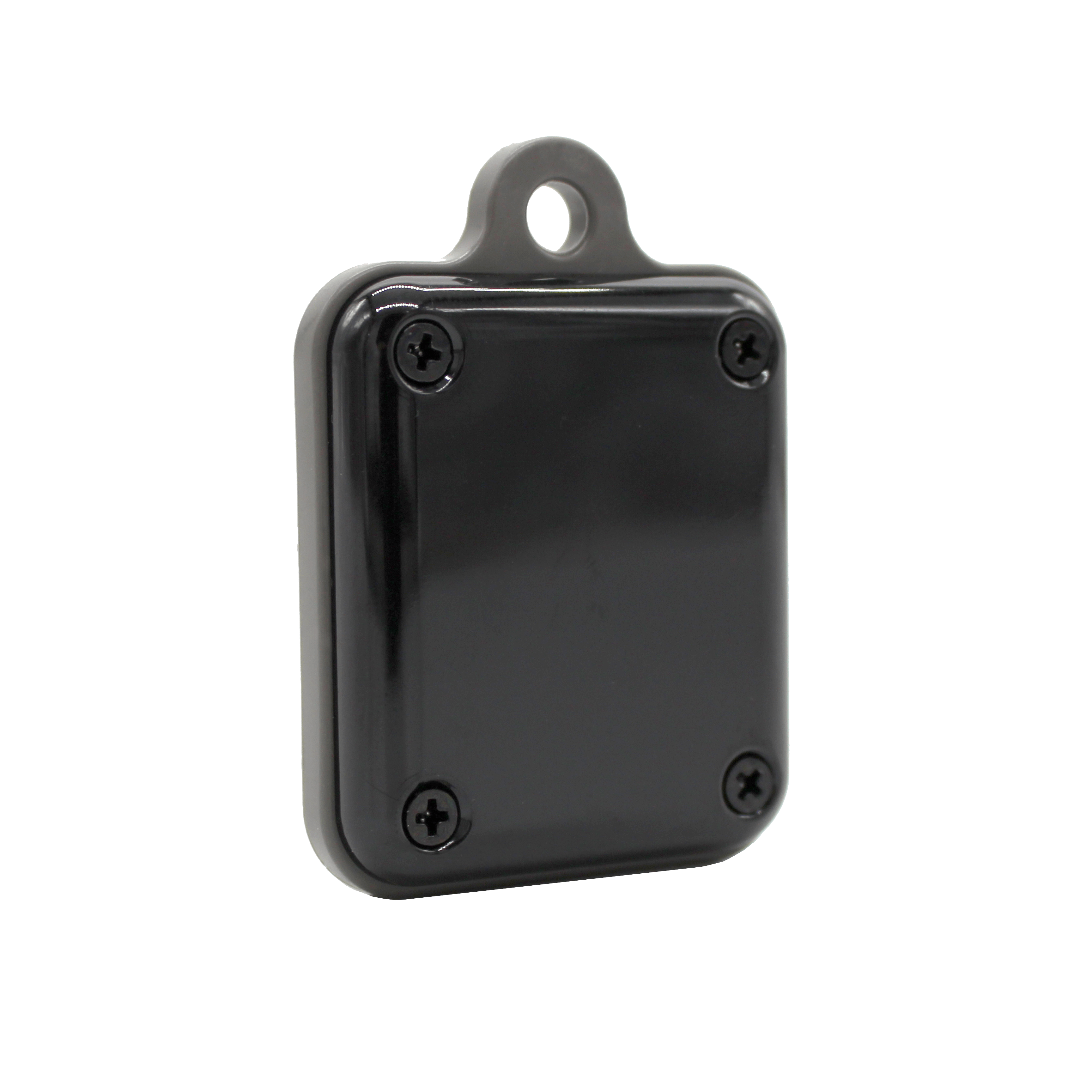
Tempest™ 100
$55.00
Continuous temperature logging with MKT. The per-shipment standard for GDP-grade cold-chain documentation.

EU regulatory compliance
GDP, HACCP, NIS2, and CSRD all demand the same thing: a continuous, tamper-evident record of what your cargo experienced. Exposensia delivers it — without cloud subscriptions, US data routing, or app accounts that create their own compliance problems.
See recommended kitsWhether it is a GDP inspection on a pharma shipment, an HACCP review at a food distribution centre, or an NIS2 incident report, the auditor's question is the same: show me the continuous environmental record, with timestamps and a device serial number, that proves this cargo held within spec from origin to destination. A spot-check log or a verbal account does not satisfy that requirement.
Cloud-connected sensors solve one problem and create another: all that environmental data flows to a US-domiciled server, raising GDPR data-sovereignty questions you did not plan for. Clipboard logs miss the 2 AM excursion. Single-point thermometers in a trailer give you one number for an 18-hour run. None of these hold up when a regulator asks to see the full, unbroken trace.
Every Exposensia sensor logs continuously, on-device, with a tamper-evident record. No internet connection required — it works in a truck crossing the Alps or a cold-store without Wi-Fi. NFC tap-to-read with any modern phone exports the full history as a CSV in seconds. No accounts, no cloud, no data leaving the EU unless you choose to send it.
Four overlapping frameworks. One underlying requirement: documented, retrievable proof of what happened to your cargo.
The EMA's GDP guidelines (2013/C 68/01, updated 2021) require pharmaceutical wholesalers and logistics providers to maintain continuous temperature monitoring with documented excursion records for every shipment. Mean Kinetic Temperature must be calculable on demand. An oral report or a min/max thermometer is not sufficient — the requirement is for a continuous, time-stamped log with a device identifier, held for five years minimum.
Food business operators moving chilled or frozen goods must maintain HACCP-documented temperature records at every critical control point in the cold chain. EU enforcement bodies have increasingly focused on the gap between "we have a HACCP plan" and "we have records showing the plan worked." A continuous on-device log that can be read at the delivery point — before the cargo is accepted — turns the gap into a competitive advantage.
Effective across EU member states since October 2024, NIS2 designates transport, food distribution, and manufacturing logistics as sectors where operators must maintain audit-grade records and incident-reporting capabilities. An environmental excursion that reaches the threshold of a reportable incident needs a documentary trail — when it started, how long it lasted, what the affected assets were. Sensors that log continuously with a tamper-evident on-device record satisfy this requirement in a way that cloud-dependent systems cannot, if the cloud was unavailable during the incident.
The Corporate Sustainability Reporting Directive (2022/2464) phases in from 2024 through 2026, requiring companies to report granular Scope 3 environmental data across their supply chains. For logistics-intensive businesses, that means the ability to produce site-level, asset-level environmental records to feed into sustainability reports. Exposensia sensors log the ambient conditions at each point in a pipeline — data that feeds directly into ESRS E1 climate-related disclosures without requiring a cloud intermediary to aggregate it.
Adding cloud-connected IoT sensors to a logistics pipeline that handles pharmaceutical or food data often introduces a data-protection problem alongside the monitoring solution. Exposensia's on-device model means sensor data stays on the device until you choose to export it. No account creation, no data routed through a third-party server, no consent management to layer on top of your existing GDPR programme. The record lives on the sensor and moves with the cargo.
The receiving pharmacist suspects the overnight refrigerated truck ran warm. You tap the Tempest 200 riding in the shipment. In thirty seconds you have a full temperature and humidity trace from depot to door, with timestamps and the sensor's serial number — enough to clear the shipment or flag it for quarantine before it enters dispensary stock.
The inspector wants the last 90 days of environmental data for your cold-storage zones. You export CSVs from each Tempest unit — one tap per sensor. The records include continuous logs, min/max excursions, and MKT for each zone. No log-in, no waiting for a cloud export, no arguing about which system holds the authoritative record.
The trailer's cooling unit fails in transit. The driver has no Wi-Fi. The Climate Array inside the trailer keeps logging regardless. At the recovery depot, the distribution manager taps each sensor, pulls the event window, and sends the excursion report to the manufacturer within the hour — satisfying the NIS2 incident-reporting timeline and preserving the insurance claim before anything is disputed.
Choose by the scope of your compliance programme. A single shipment sensor or a full warehouse array — the on-device record is audit-ready either way.
$55.00
Continuous temperature logging with MKT. The per-shipment standard for GDP-grade cold-chain documentation.
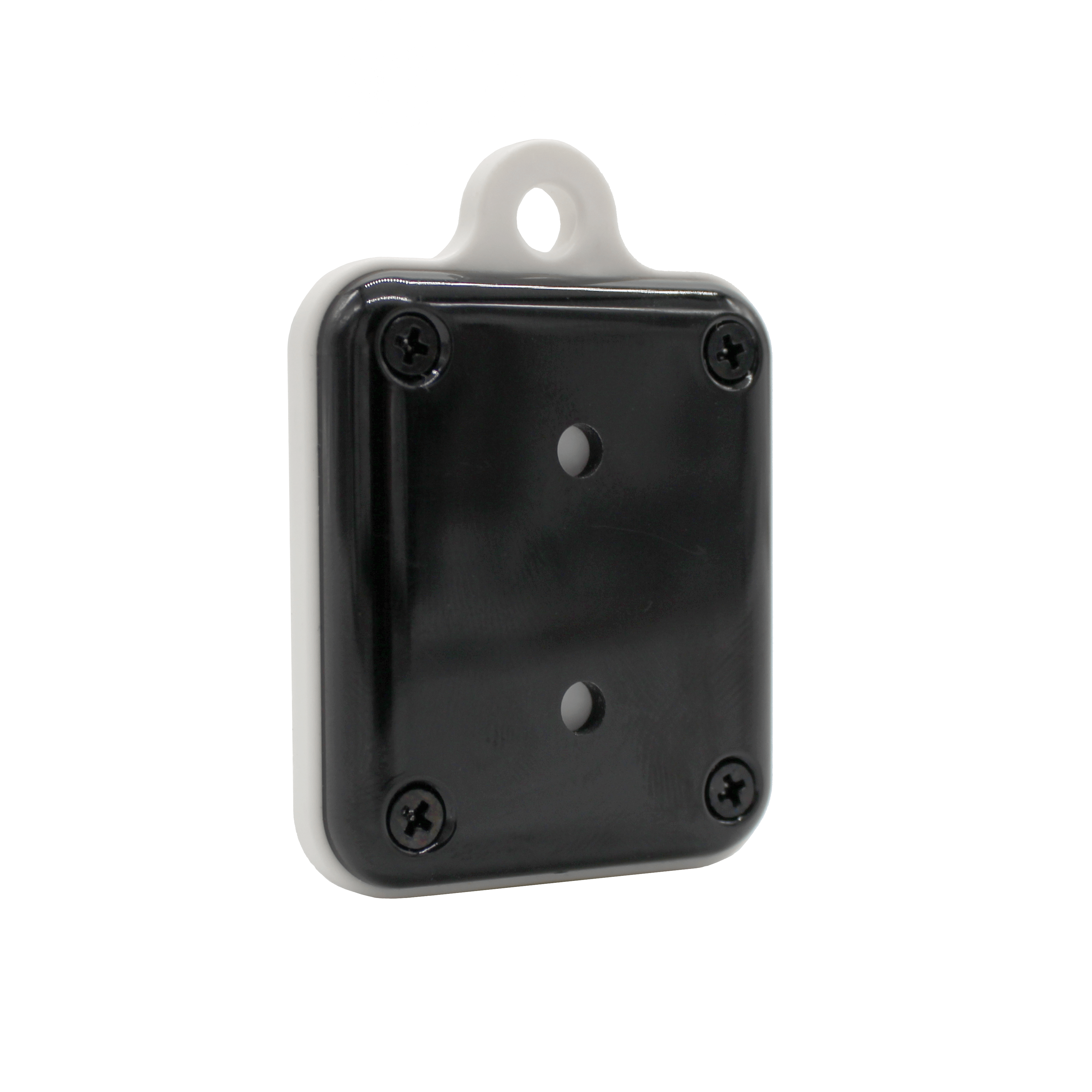
$65.00
Temperature and humidity logging. Covers HACCP requirements for food logistics and GDP requirements for hygroscopic biologics.
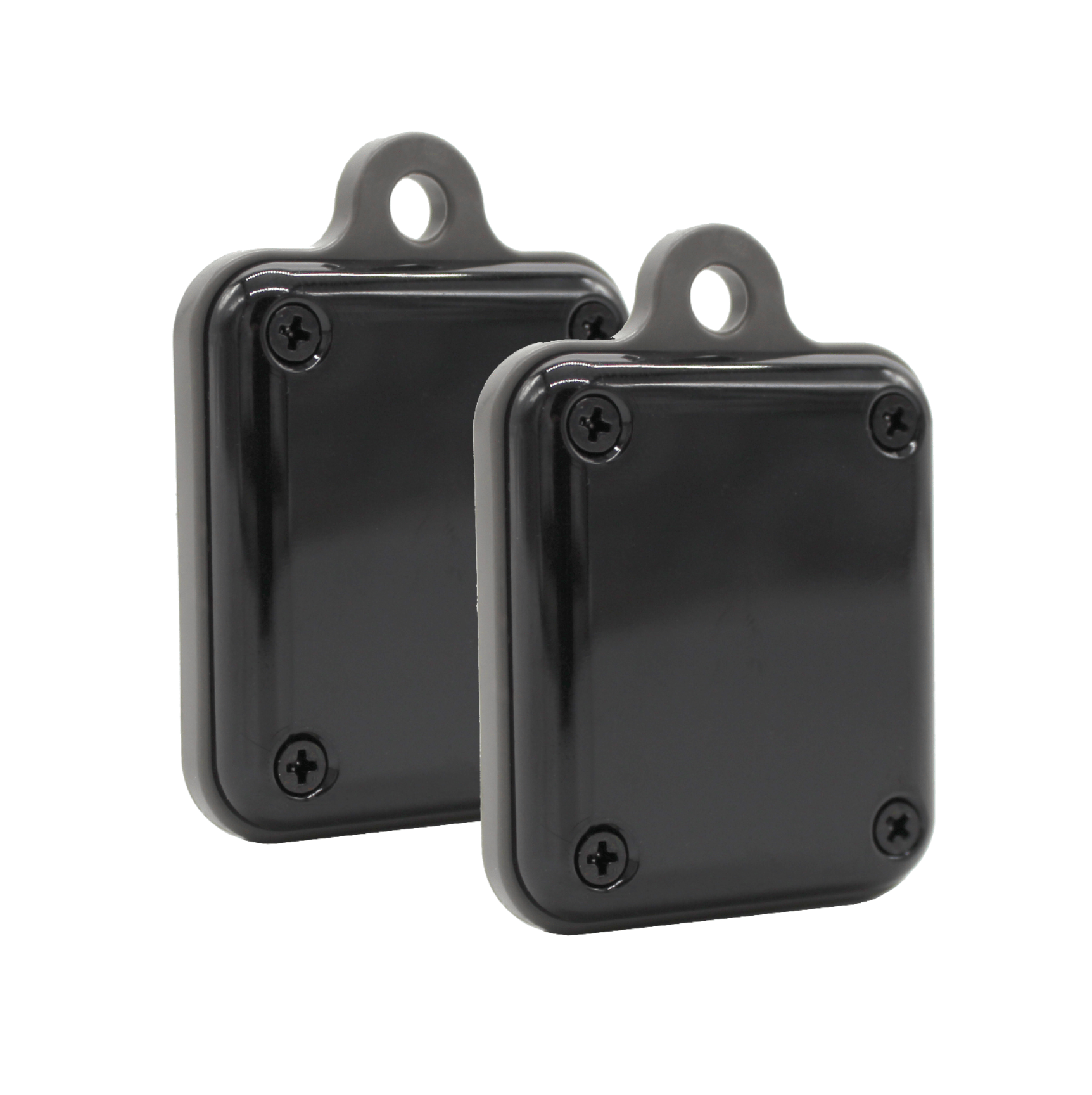
Two GDP-grade loggers. One travels with the shipment; one stays in the depot. The record at both ends satisfies chain-of-custody documentation.
$105.00
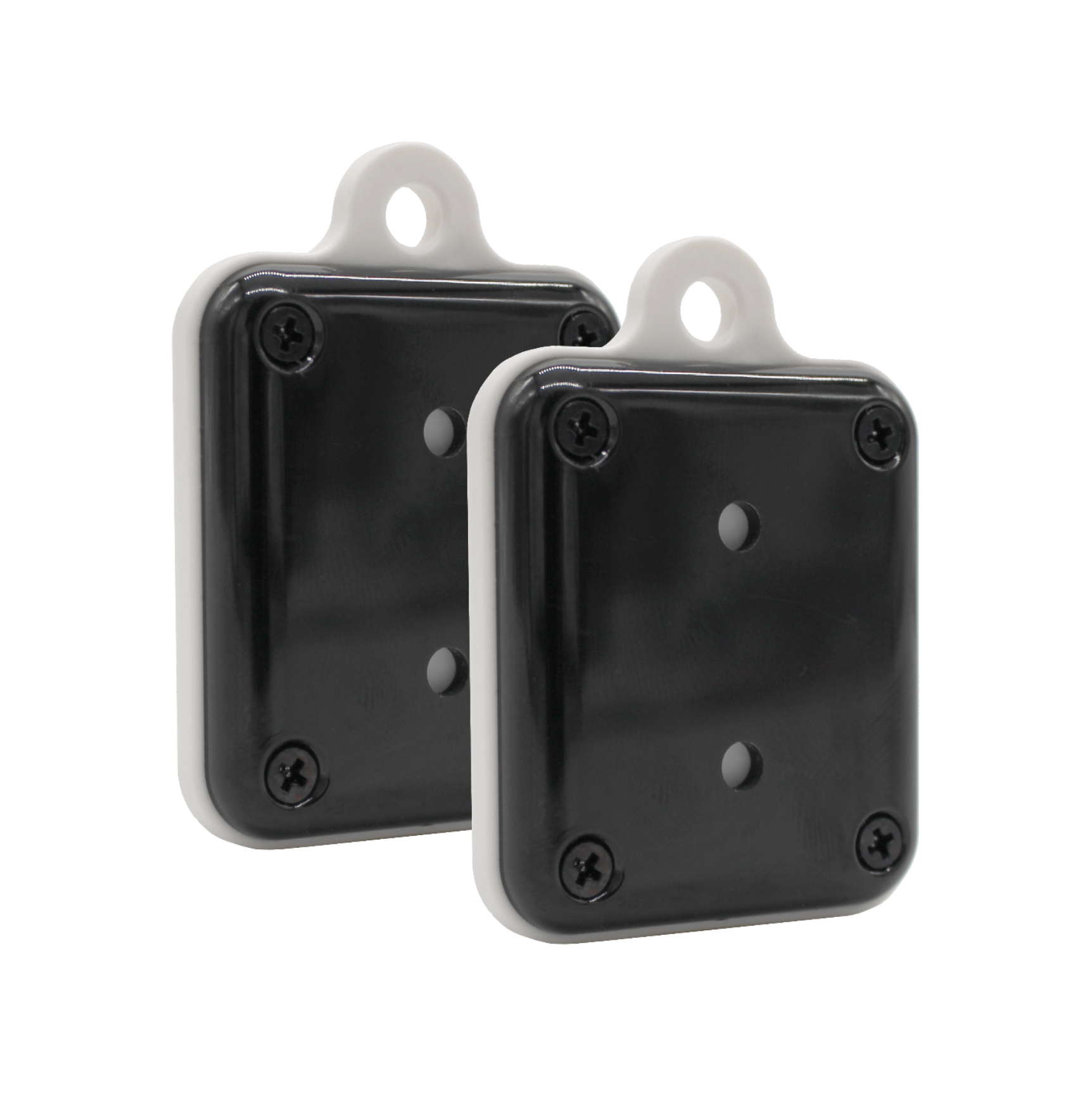
Two-zone temperature and humidity. The baseline for NIS2-compliant cold-store monitoring with independent zone verification.
$125.00
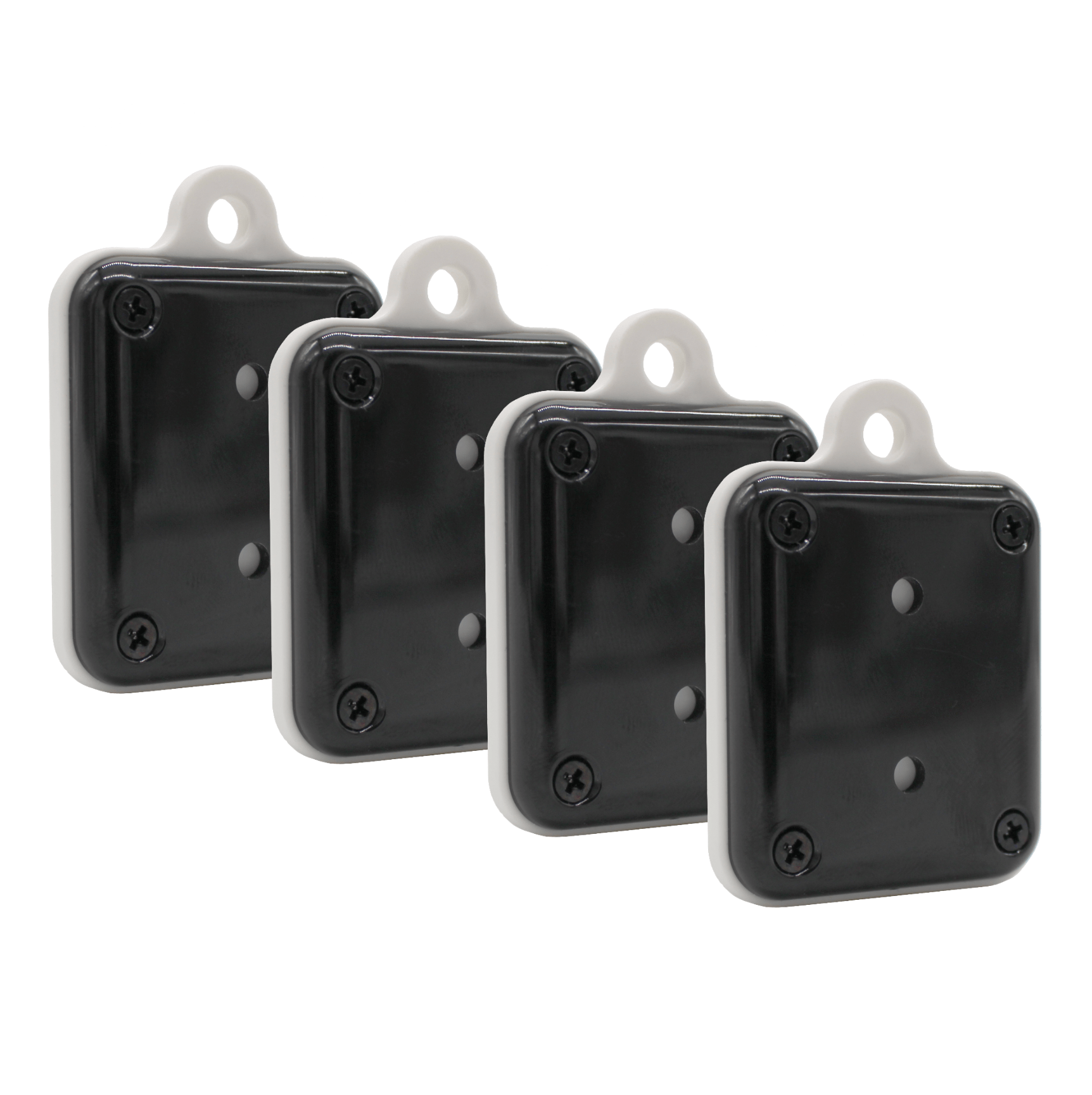
Four-zone warehouse or trailer coverage. Satisfies multi-zone HACCP and GDP monitoring requirements for large cold-stores and distribution centres.
$235.00
No subscriptions. No accounts. No data sovereignty questions. Just a continuous, tamper-evident record — on the sensor, in the shipment, wherever the cargo goes.
Shop sensors Talk to us about compliancethis item would be added to your cart once the Shopify integration is wired up. This is a static rebuild — checkout is intentionally stubbed.